Research and evidenced
Community-Based Research on Household Washing Practices in Cameroon: Generating Evidence for Improved Livelihoods, Gender Equity and Well-being
Short Website Summary
Community-Based Research on Household Washing Practices in Cameroon
“New Dawn Foundation generates locally grounded evidence through community-based research to inform policies, strengthen development interventions, and promote sustainable solutions to community challenges.”
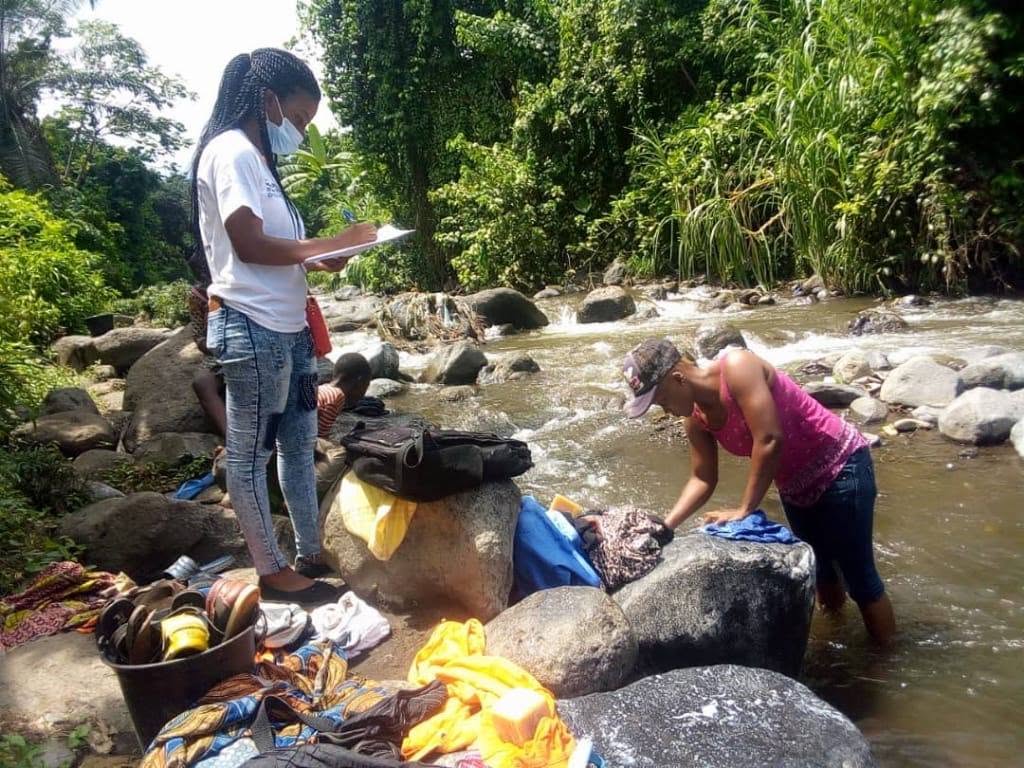
In partnership with The Washing Machine Project, New Dawn Foundation conducted community-based research across Limbe, Buea, and Mutengene to understand household washing practices and the challenges faced by women in managing domestic laundry. Through a team of trained volunteers, the Foundation collected first-hand data from approximately 300 women. The findings were shared with The Washing Machine Project to inform plans for introducing affordable manual washing machines in Cameroon. This partnership demonstrates NDF’s commitment to evidence-based development, locally driven research, and collaborative solutions to poverty and livelihood challenges.
Project Overview
In partnership with The Washing Machine Project, a United Kingdom-based charitable organization, New Dawn Foundation conducted a community-based research project to understand household washing practices and the challenges faced by women in managing domestic laundry activities in Cameroon.
The study generated primary data from women in three communities—Limbe, Buea, and Mutengene—to support evidence-based planning for the introduction of affordable manual washing machines designed to reduce the time and physical effort required for household laundry.
Through this partnership, New Dawn Foundation contributed to the generation of locally relevant evidence to inform a potential intervention aimed at improving household productivity, women’s well-being, and livelihoods.
Background
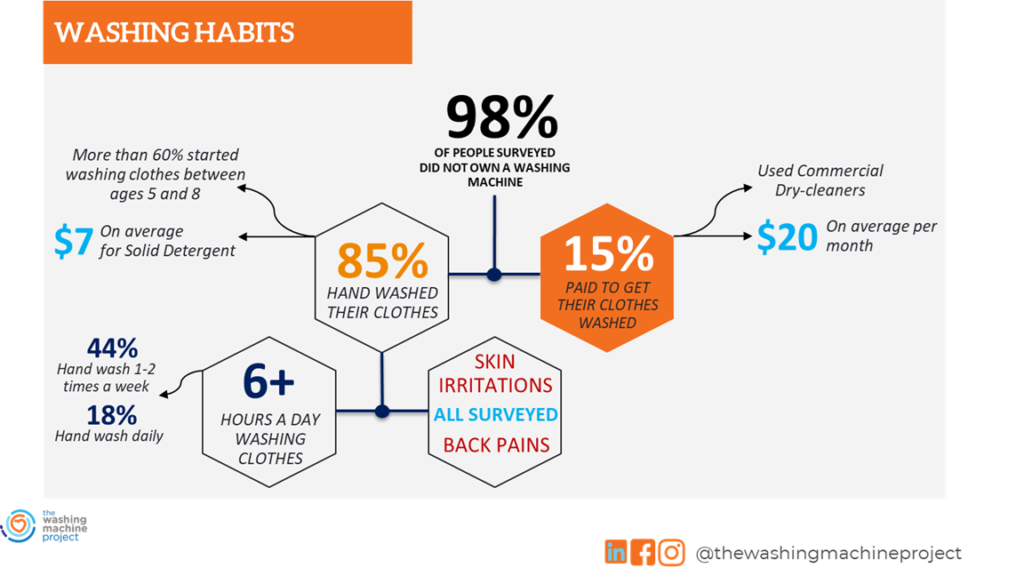
In many low-income households, laundry remains a time-consuming and physically demanding domestic responsibility, disproportionately affecting women and girls. The time spent washing clothes manually can limit opportunities for education, income-generating activities, entrepreneurship, rest, and participation in community life.
Recognizing this challenge, The Washing Machine Project develops affordable manual washing machines designed specifically for low-income communities. These machines are intended to reduce the physical burden and time associated with washing clothes, enabling households to redirect valuable time towards more productive and economically beneficial activities.
However, successful interventions require an understanding of local washing habits, household needs, preferences, and the practical realities of the communities they intend to serve.
To support this objective, The Washing Machine Project partnered with New Dawn Foundation as a local research and development partner to collect first-hand information from communities in Cameroon.
Project Objectives
The primary objective of the research was to generate reliable, community-level data on household washing practices in Cameroon.
Specifically, the project aimed to:
- Understand the washing habits and routines of women in selected communities.
- Identify the amount of time and effort women dedicate to household laundry.
- Generate evidence on the challenges associated with manual washing practices.
- Provide locally relevant information to support the design and introduction of affordable washing technologies.
- Contribute to evidence-based interventions aimed at improving women’s livelihoods and household well-being.
Strengthen collaboration between local organizations and international development partners through community-based research.
Project Activities
New Dawn Foundation coordinated and implemented the field data collection component of the project.
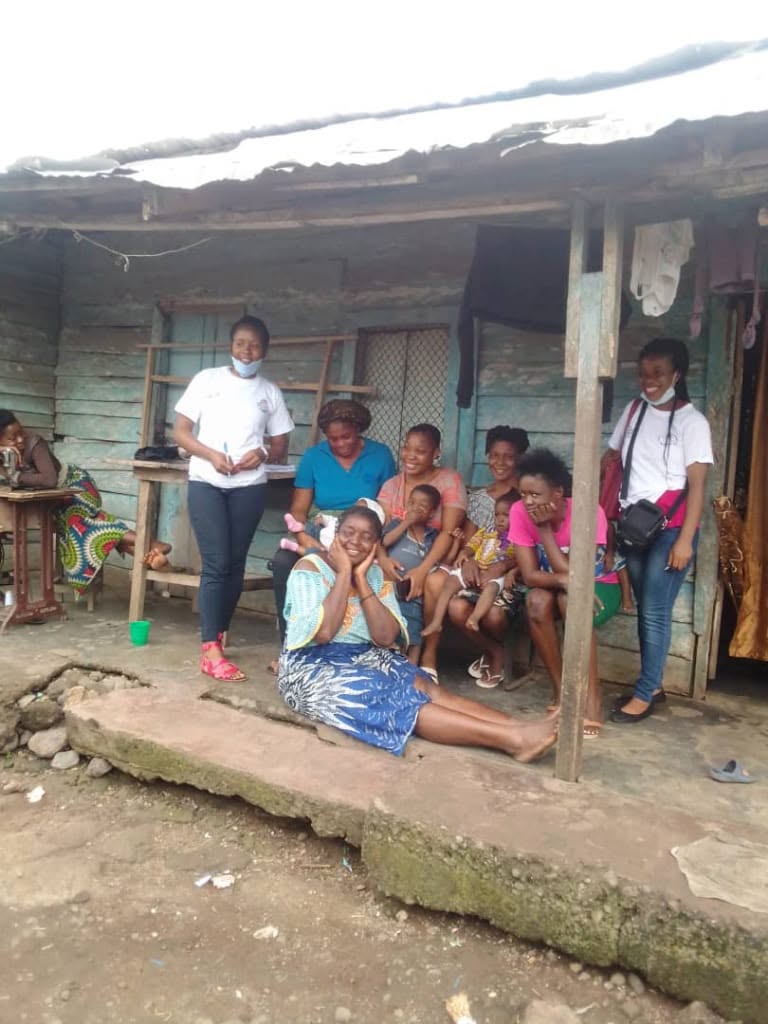
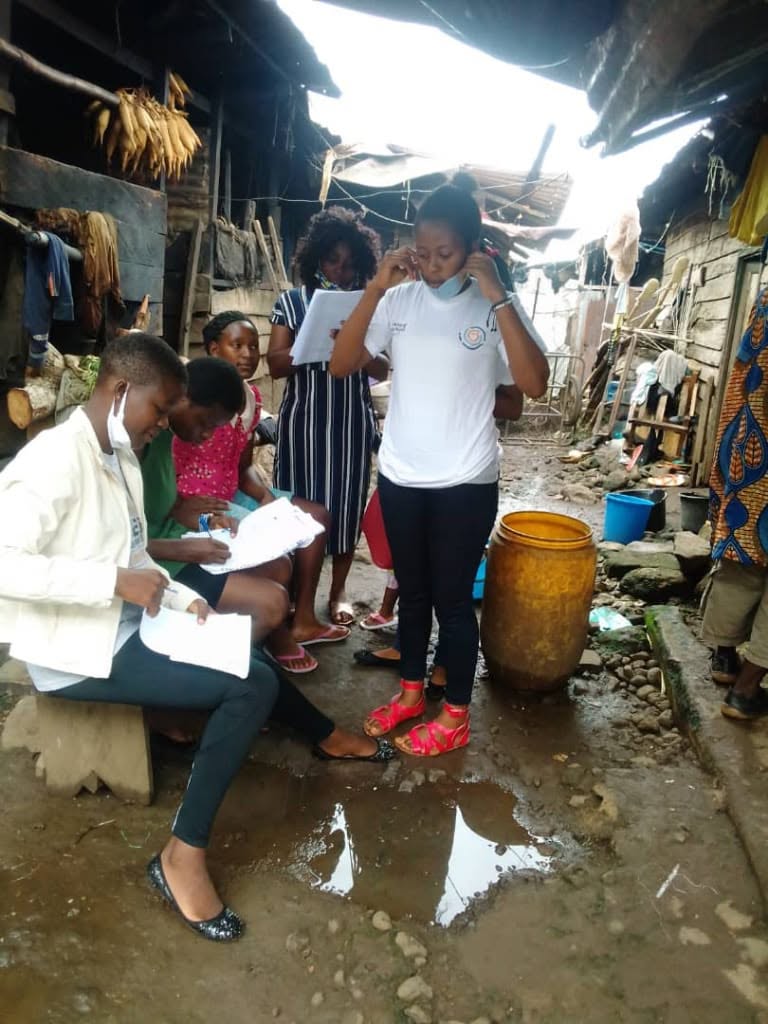
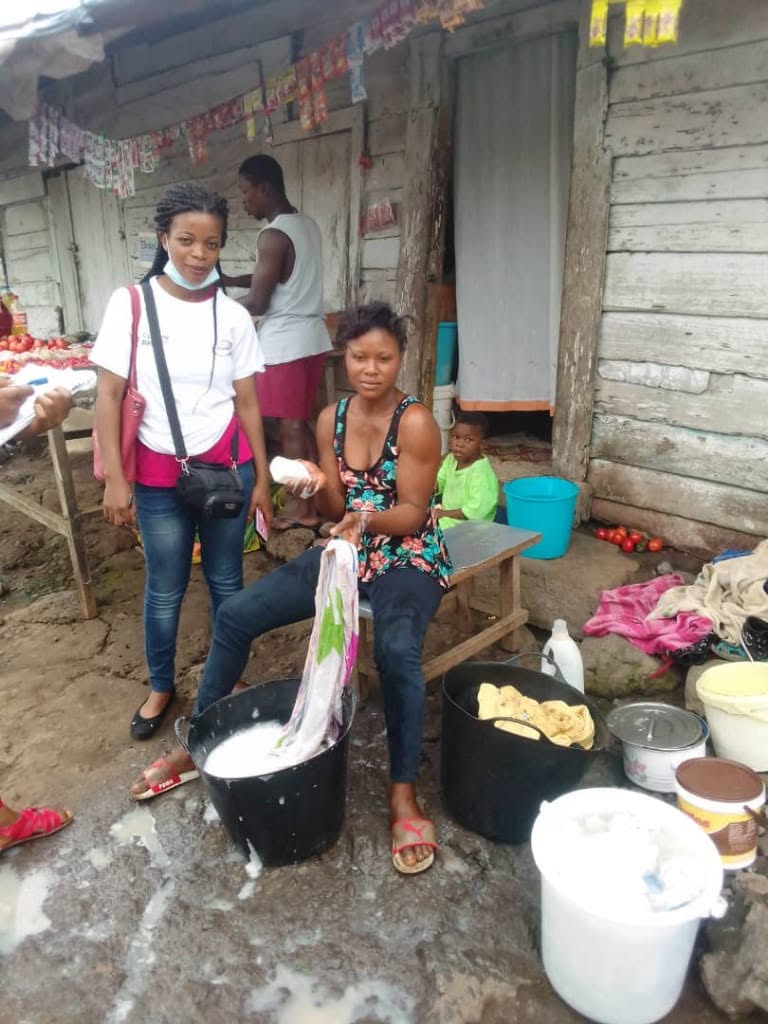
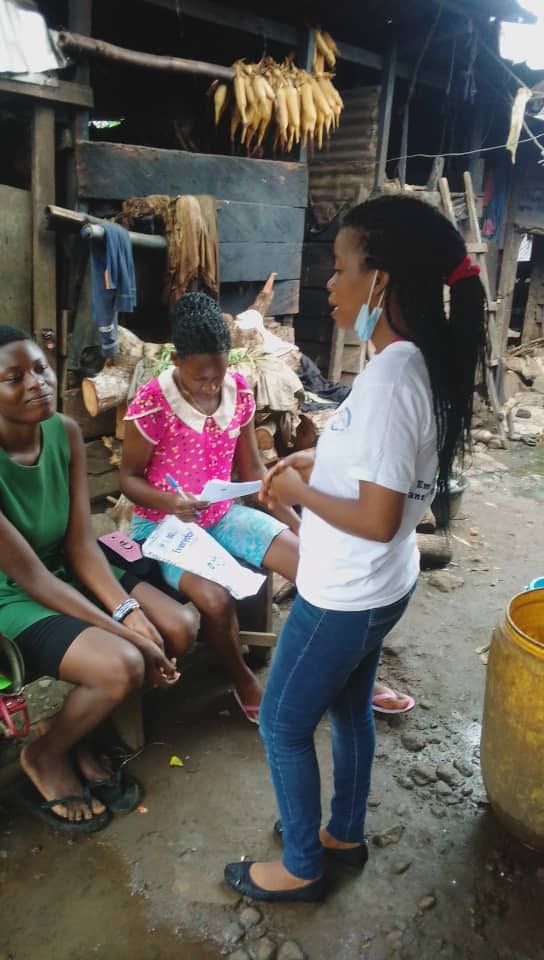
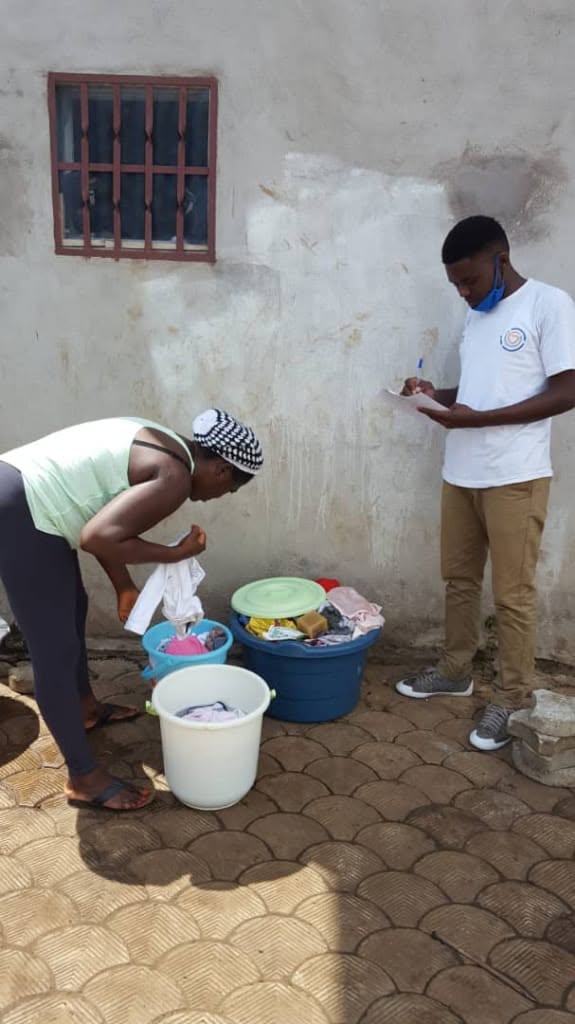
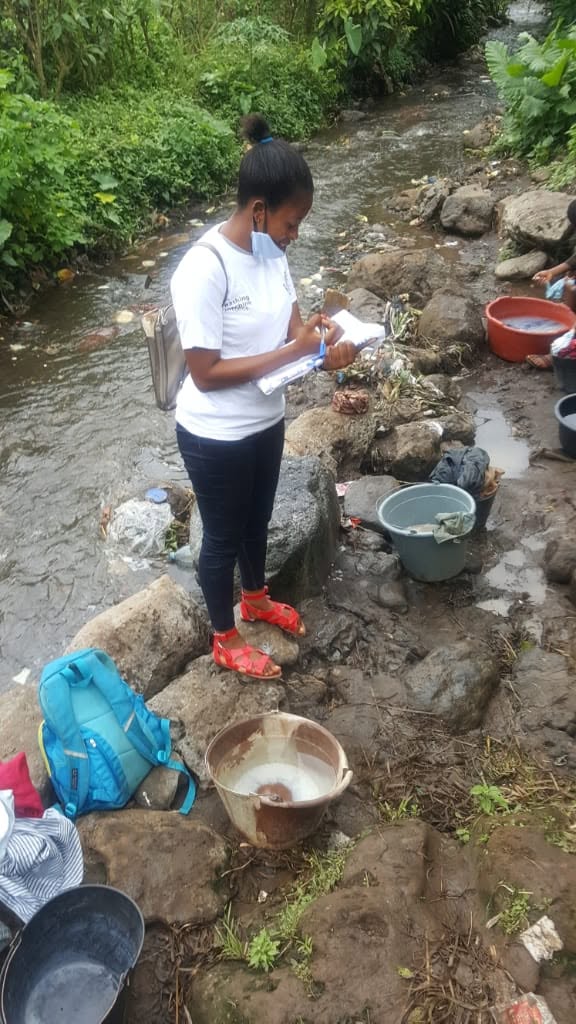
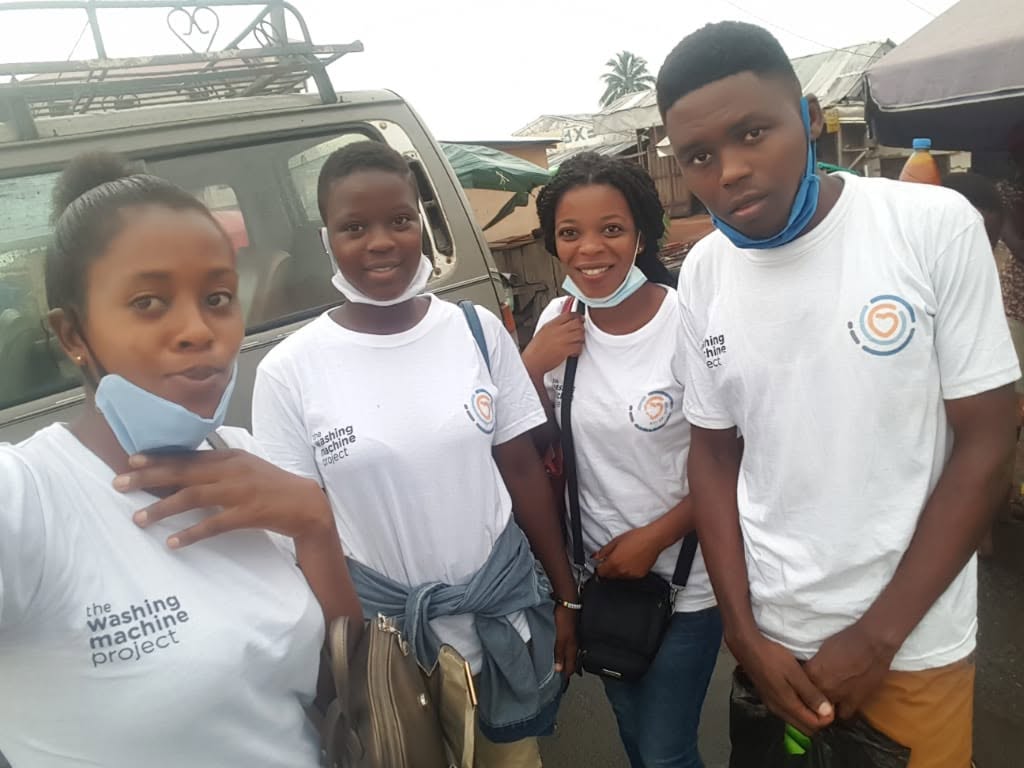
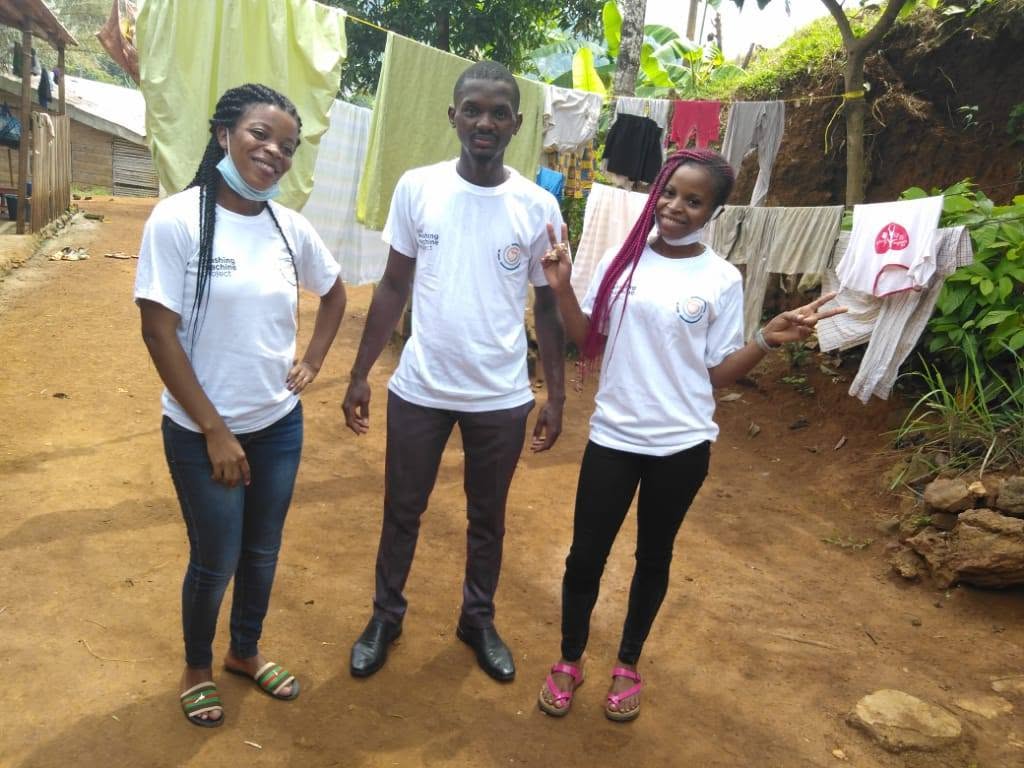
The organization mobilized and deployed a team of trained volunteers to collect primary data from women across three urban communities in Cameroon’s South West Region.
The research activities included:
- Community mobilization and engagement.
- Identification and interaction with potential respondents.
- Collection of first-hand information on household washing practices.
- Documentation of washing routines, challenges, and household experiences.
- Compilation and organization of field data.
- Submission of collected data to The Washing Machine Project for analysis and intervention planning.
The research was conducted in:
- Limbe
- Buea
- Mutengene
Target Population and Coverage
The study targeted women responsible for or actively involved in household laundry activities.
Through its volunteer field research team, New Dawn Foundation interacted with and collected data from approximately 300 women across the three participating communities.
The selection of these locations provided an opportunity to gather perspectives from diverse household settings and generate contextual information relevant to potential intervention planning in Cameroon.
Partnership and Collaboration
The project was implemented in partnership with:
The Washing Machine Project
The Washing Machine Project is a UK-based charitable organization committed to developing and providing affordable manual washing machines to underserved and low-income communities.
The organization seeks to address the significant amount of time and physical effort spent on manual laundry, particularly by women, by providing accessible washing technologies.
New Dawn Foundation
As a local implementing and research partner, New Dawn Foundation contributed its knowledge of local communities, volunteer networks, field mobilization capacity, and experience in community-based data collection.
This partnership demonstrates the value of collaboration between international development organizations and locally rooted civil society organizations in generating context-specific evidence for development interventions.
Research Approach
New Dawn Foundation adopted a community-based primary data collection approach.
The organization relied on trained volunteers who engaged directly with women in the selected communities to collect information on their experiences and household washing practices.
The use of local volunteers and community-level engagement enabled the research team to access participants within their everyday environments and gather information grounded in lived experiences.
The findings generated through this process were subsequently shared with The Washing Machine Project to inform further analysis and intervention planning.
Key Outcomes
The research successfully generated first-hand information from approximately 300 women across Limbe, Buea, and Mutengene.
Key outcomes included:
- Collection of original community-level data on household washing practices in Cameroon.
- Improved understanding of the challenges associated with manual laundry.
- Provision of evidence to support the planning of affordable washing technology interventions.
- Strengthened collaboration between New Dawn Foundation and an international development organization.
- Increased visibility of the importance of locally generated evidence in designing sustainable development solutions.
The data collected by New Dawn Foundation is expected to contribute to ongoing efforts by The Washing Machine Project to introduce its manual washing technology to Cameroon.
Anticipated Development Impact
The anticipated introduction of affordable manual washing machines has the potential to generate significant benefits for low-income households.
By reducing the time and physical effort required for laundry, the intervention could enable women and families to allocate more time to:
- Income-generating activities.
- Small-scale entrepreneurship.
- Education and skills development.
- Childcare and family well-being.
- Rest and personal health.
- Community participation.
In the longer term, reducing the burden of household laundry may contribute to improved household productivity, increased economic opportunities for women, and enhanced standards of living.
The intervention also aligns with broader development priorities relating to gender equality, poverty alleviation, decent work, and sustainable livelihoods.
New Dawn Foundation’s Role in Research and Development
This project reflects New Dawn Foundation’s commitment to using research and evidence to address community challenges and inform development interventions.
Through its field research activities, NDF demonstrates its capacity to:
- Collect original, first-hand data from communities.
- Work collaboratively with international development organizations.
- Mobilize local volunteers and community stakeholders.
- Support evidence-based programme design.
- Contribute to policy and development discussions through locally generated knowledge.
New Dawn Foundation believes that effective development interventions must be grounded in an understanding of the realities experienced by the communities they seek to serve.
Research therefore remains an important component of the organization’s work.
Looking Ahead
Building on this partnership, New Dawn Foundation remains committed to strengthening its role as a community-based research and development organization.
The Foundation seeks to expand its partnerships with international organizations, research institutions, government agencies, and other development actors to generate evidence that can inform policies, improve programme design, and contribute to sustainable community transformation.
Through research, partnerships, and practical interventions, New Dawn Foundation continues to work towards a future where communities are empowered to identify challenges, develop solutions, and improve their quality of life.
Project at a Glance
Project Component | Details |
Project Title | Community-Based Research on Household Washing Practices in Cameroon |
Project Type | Applied Research for Development |
Sector | WASH, Gender, Livelihoods and Community Development |
Implementing Organization | New Dawn Foundation |
Project Partner | The Washing Machine Project, United Kingdom |
Location | Limbe, Buea and Mutengene, Cameroon |
Target Population | Women involved in household laundry activities |
Research Coverage | Approximately 300 women |
Implementation Approach | Community-based primary data collection |
Data Collection Team | New Dawn Foundation volunteers |
Project Status | Completed |
Expected Application of Findings | Informing the introduction of affordable manual washing machines in Cameroon |
Primary Development Goal | Improving household productivity, women’s well-being and sustainable livelihoods |
Subscribe For Newsletter