Menstrual hygiene campaign in schools
Menstrual Hygiene and Sexual & Reproductive Health Campaign in Schools
Empowering Young People with Knowledge, Dignity, and Healthy Choices
Short Website Summary
Menstrual Hygiene and Sexual & Reproductive Health Campaign in Schools
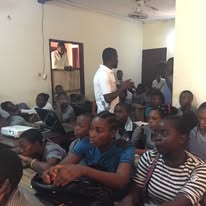
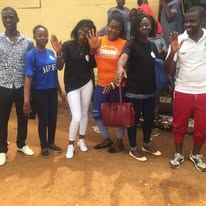
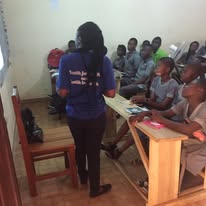
In 2018, New Dawn Foundation implemented a one-day Menstrual Hygiene and Sexual and Reproductive Health Campaign in Limbe 1 Municipality, bringing together over 400 secondary school students from three schools. The campaign provided adolescents with practical knowledge on menstrual hygiene management, sexual and reproductive health and rights, personal hygiene, and gender-based violence prevention.
Through interactive sensitization sessions and discussions, the project promoted informed decision-making, gender equality, dignity, and healthier relationships among young people. Working in collaboration with school administrations and local educational stakeholders, New Dawn Foundation continues to recognize the importance of equipping adolescents with the knowledge and confidence needed to lead healthy, responsible, and empowered lives.
Focus Areas: Sexual & Reproductive Health | Menstrual Hygiene Management | Gender-Based Violence Prevention | Adolescent Empowerment | Health Promotion | Education
Project Overview
In 2018, New Dawn Foundation implemented a one-day Menstrual Hygiene and Sexual and Reproductive Health Campaign in Schools in Limbe 1 Municipality, South West Region of Cameroon.
The project brought together over 400 secondary school students from three schools for an intensive educational and sensitization programme focused on menstrual hygiene management, sexual and reproductive health, and gender-based violence prevention.
The campaign was designed to equip young people with accurate knowledge, promote healthy attitudes and practices, challenge harmful social norms, and create a supportive environment where adolescents can make informed decisions about their health, dignity, and well-being.
Background and Rationale
Adolescence is a critical stage of physical, emotional, and social development. However, many young people face challenges accessing accurate information about sexual and reproductive health, menstruation, personal hygiene, and healthy relationships.
For girls in particular, inadequate menstrual hygiene knowledge and limited access to menstrual products can affect school attendance, confidence, participation in social activities, and overall well-being. At the same time, boys may lack sufficient understanding of menstruation, gender equality, and the importance of creating supportive and respectful environments for their female peers.
Young people may also be exposed to misinformation, stigma, peer pressure, sexual abuse, and gender-based violence.
Recognizing the importance of early education and prevention, New Dawn Foundation designed this campaign to provide adolescents with practical knowledge and a safe learning environment where they could ask questions, discuss sensitive issues, and develop positive attitudes towards sexual and reproductive health and menstrual hygiene.
Project Aim
The overall aim of the project was to promote the health, dignity, and well-being of adolescents by increasing their knowledge of sexual and reproductive health, menstrual hygiene management, and gender-based violence prevention.
The project sought to contribute to the development of informed, confident, and responsible young people capable of making healthy decisions and supporting positive relationships within their schools and communities.
Project Objectives
The specific objectives of the campaign were to:
- Increase adolescents’ knowledge and understanding of sexual and reproductive health and rights.
- Improve awareness and understanding of menstrual hygiene management among girls and boys.
- Promote positive attitudes towards menstruation and reduce stigma, shame, and misconceptions surrounding menstrual health.
- Equip young people with knowledge about personal hygiene and healthy practices during adolescence.
- Raise awareness of gender-based violence, its causes, forms, consequences, and prevention.
- Promote gender equality, mutual respect, and healthy relationships among students.
- Encourage young people to seek appropriate health information and support when faced with sexual and reproductive health concerns.
- Strengthen collaboration between schools, educational authorities, and community-based organizations in promoting adolescent health and well-being.
Target Beneficiaries
The project targeted secondary school students in Forms Five through Upper Sixth.
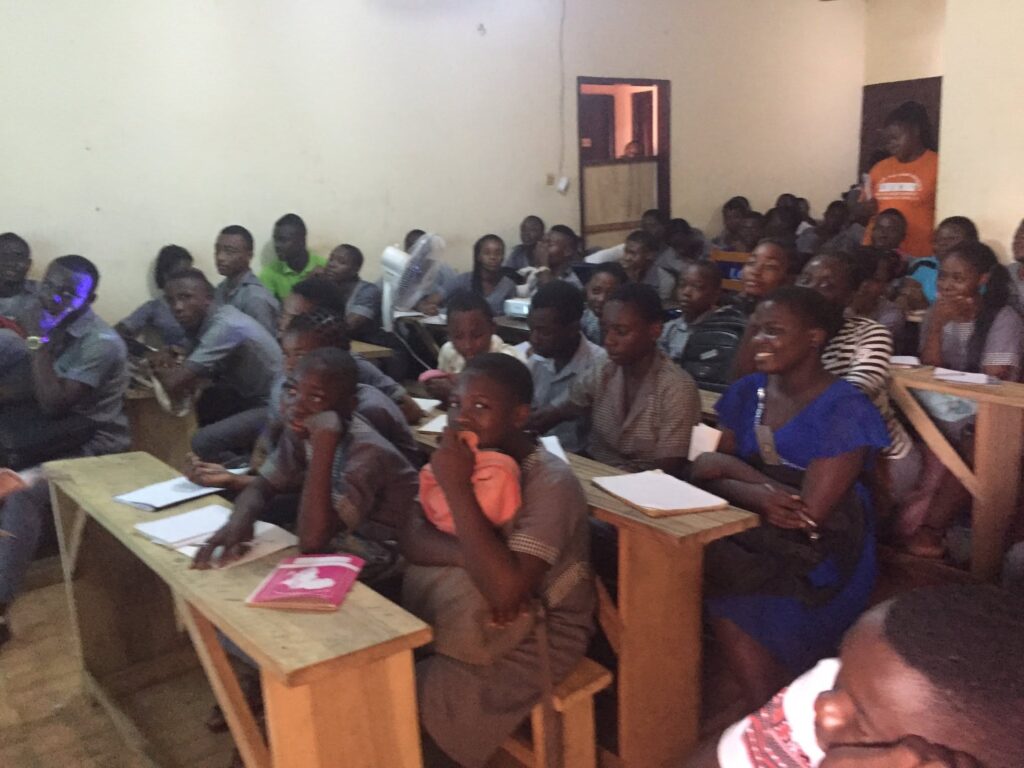
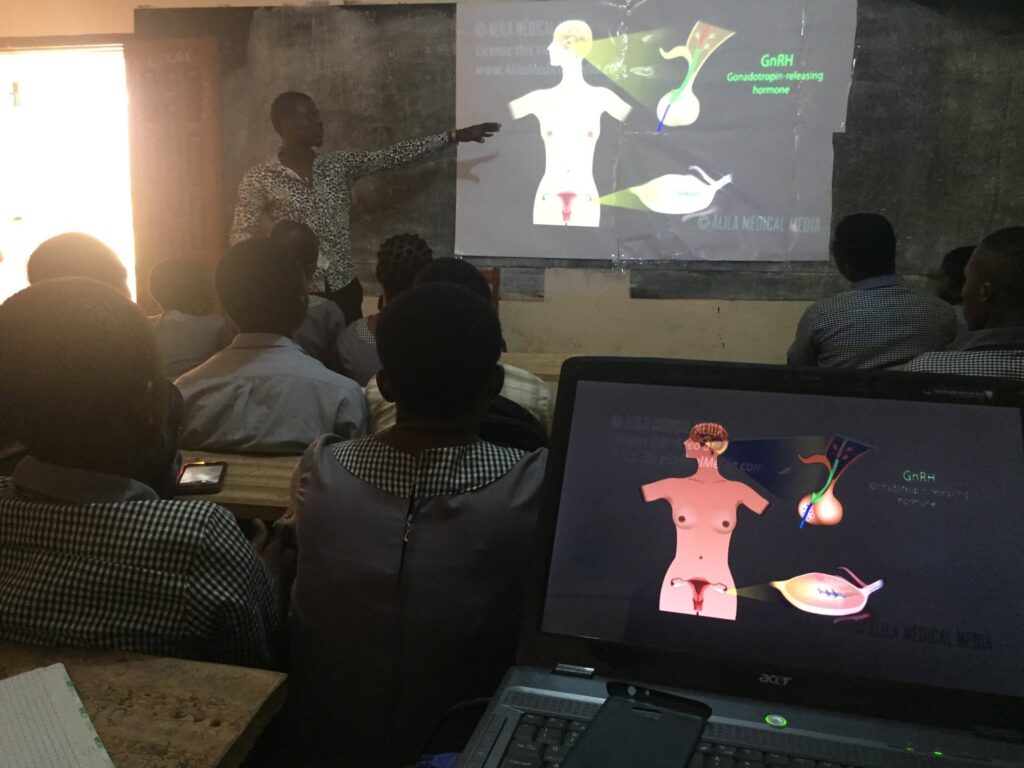
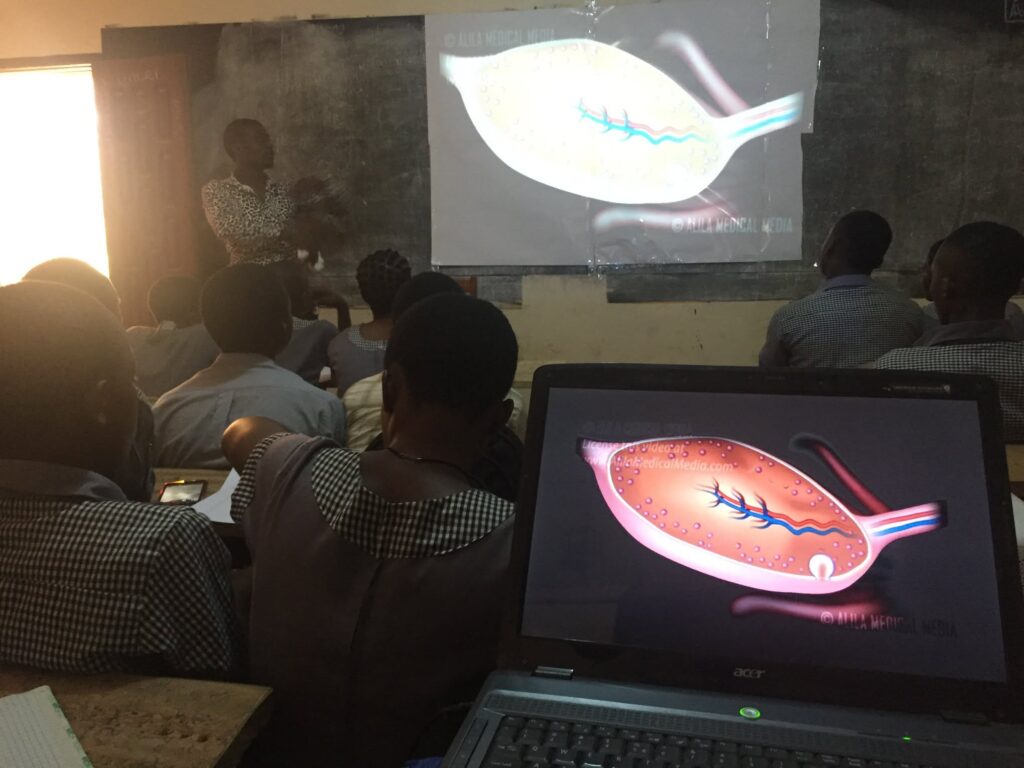
More than 400 boys and girls participated in the campaign.
The inclusion of both male and female students was intentional, recognizing that menstrual hygiene, sexual and reproductive health, and gender-based violence are issues that require collective understanding and shared responsibility.
While girls are directly affected by menstruation, boys also play an important role in creating supportive, respectful, and stigma-free school environments.
Participating Schools
The campaign brought together students from three secondary schools in Limbe:
- Atlantic Technical and Comprehensive College, Limbe (Harpawise College)
- National Comprehensive High School, Mile One
- Kulu Memorial College, Limbe
The training was hosted at Atlantic Technical and Comprehensive College, also known as Harpawise College.
Key Areas of Training and Sensitization
The one-day intensive campaign covered several important areas relevant to adolescent health and development.
Sexual and Reproductive Health Education
Students received information on:
- Physical and emotional changes during adolescence.
- Sexual and reproductive health and rights.
- Personal hygiene and healthy lifestyles.
- Responsible decision-making.
- Consequences of risky sexual behaviour.
- Prevention of sexually transmitted infections.
- The importance of seeking accurate health information and support.
Menstrual Hygiene Management
The menstrual hygiene component focused on helping students understand menstruation as a normal biological process.
Key areas included:
- Understanding the menstrual cycle.
- Personal hygiene during menstruation.
- Proper menstrual hygiene practices.
- Addressing myths, misconceptions, and stigma.
- Promoting dignity and confidence among menstruating girls.
- Encouraging supportive attitudes among boys and girls.
Gender-Based Violence Prevention
Students were sensitized on:
- Understanding gender-based violence.
- Different forms of gender-based violence.
- Sexual harassment, exploitation, and abuse.
- Consent and personal boundaries.
- Prevention and reporting mechanisms.
- The importance of respect and equality in relationships.
The discussions were designed to encourage young people to recognize harmful behaviour, protect themselves and others, and contribute to safer school and community environments.
Project Implementation Approach
The campaign was implemented through a participatory and educational approach that encouraged students to actively engage with facilitators and one another.
The training included presentations, sensitization sessions, discussions, question-and-answer sessions, and interactive learning activities.
New Dawn Foundation worked closely with school authorities and educational stakeholders to mobilize students and ensure the effective delivery of the programme.
The involvement of school leadership was essential in creating an enabling environment for the campaign and ensuring that students had access to relevant health and educational information.
Partnerships and Collaboration
The project was implemented in collaboration with local educational authorities and the leadership of participating schools.
Key partners included:
- The administration of Atlantic Technical and Comprehensive College (Harpawise College).
- The administration of National Comprehensive High School, Mile One.
- The administration of Kulu Memorial College, Limbe.
- Local educational stakeholders within Limbe 1 Municipality.
These partnerships facilitated student mobilization, venue arrangements, institutional support, and the successful implementation of the campaign.
The collaboration also demonstrated the importance of partnerships between civil society organizations and educational institutions in addressing adolescent health and social development challenges.
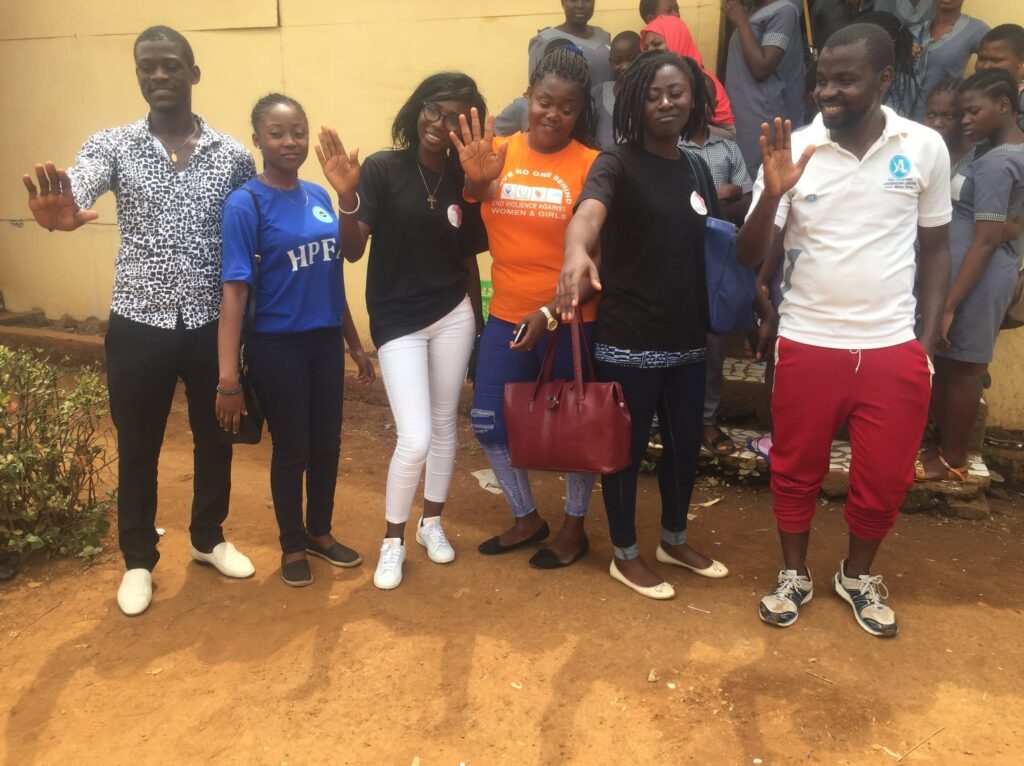
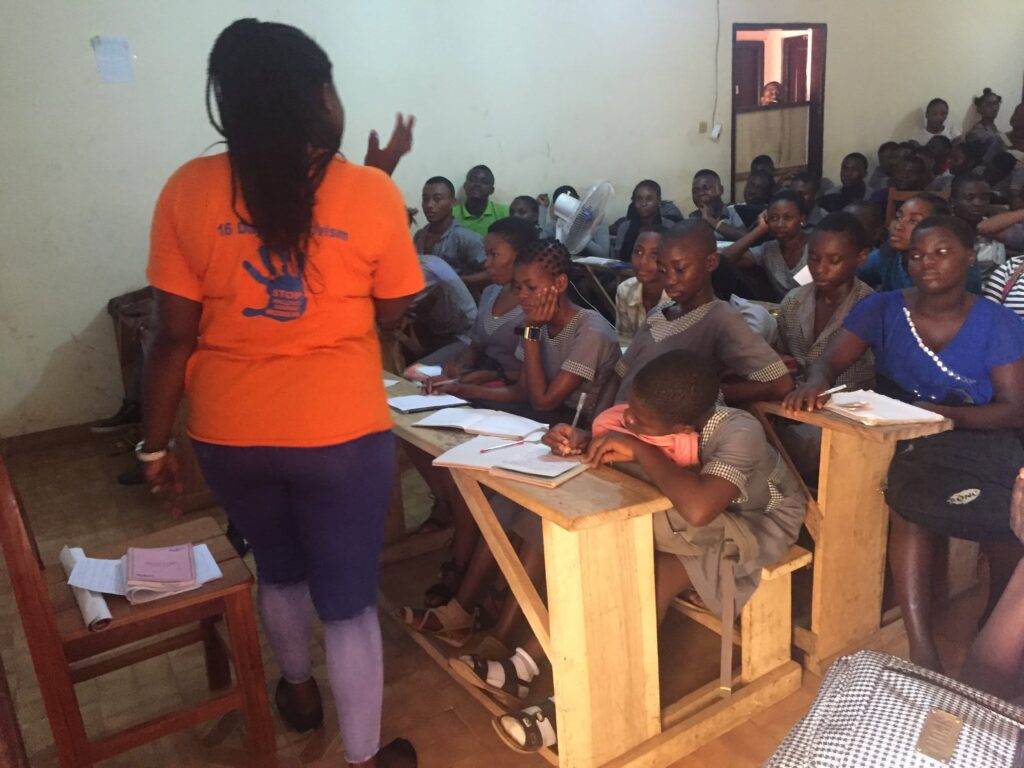
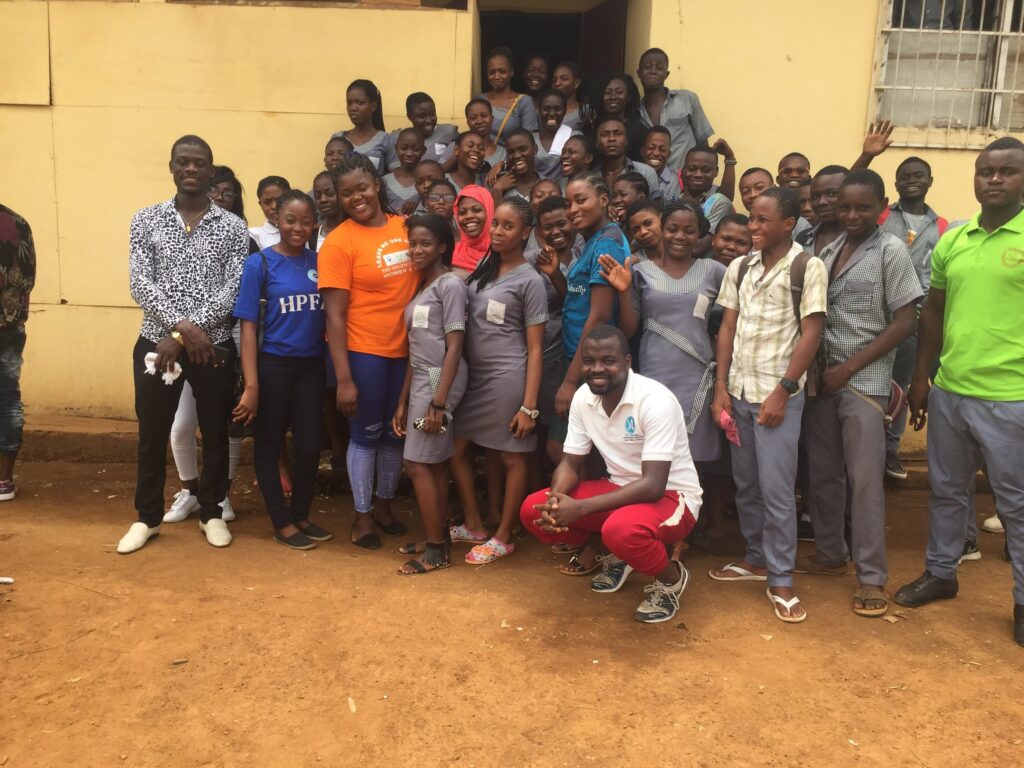
Project Outcomes
At the end of the one-day campaign, participating students were expected to have:
- Improved knowledge of sexual and reproductive health and rights.
- Greater understanding of menstruation and menstrual hygiene management.
- Increased awareness of gender-based violence and its prevention.
- Better understanding of personal hygiene and healthy adolescent practices.
- Improved attitudes towards menstruation and gender equality.
- Increased confidence in discussing sensitive health-related issues.
- Greater awareness of where to seek appropriate information and support.
The project also created an opportunity for students from different schools to come together, share experiences, and learn collectively about issues affecting their health and well-being.
Long-Term Expected Impact
Although the campaign was implemented over one day, its intended impact extends beyond the training period.
By providing young people with accurate and practical knowledge, the project sought to contribute to long-term improvements in adolescent health and behaviour.
Expected long-term impacts include:
Improved Menstrual Health and Dignity
Girls who understand their menstrual cycles and hygiene needs are better positioned to manage menstruation confidently and participate fully in school and community life.
Reduced Stigma and Discrimination
Educating both boys and girls about menstruation can help reduce shame, teasing, discrimination, and harmful misconceptions.
Increased Sexual and Reproductive Health Awareness
Young people with accurate information are more likely to make informed decisions regarding their health, relationships, and personal well-being.
Prevention of Gender-Based Violence
Early awareness of consent, respect, equality, and harmful behaviour can contribute to the prevention of gender-based violence and promote safer relationships.
Improved School Retention and Participation
Improved menstrual hygiene knowledge and supportive school environments can help reduce barriers that may affect girls’ attendance and participation in education.
Healthier and More Responsible Communities
Young people who acquire accurate health knowledge can become positive influences among their peers, families, and communities.
Sustainability Strategy
New Dawn Foundation recognizes that one-off sensitization campaigns are most effective when supported by continuous education and community engagement.
To promote sustainability, the Foundation seeks to strengthen future partnerships with schools, health professionals, youth organizations, and community leaders.
Potential sustainability measures include:
- Integrating menstrual hygiene and sexual and reproductive health education into school-based activities.
- Establishing peer education programmes where trained students share accurate information with their peers.
- Conducting follow-up sensitization sessions in participating schools.
- Engaging teachers and school counsellors in adolescent health education.
- Strengthening partnerships with health institutions and community organizations.
- Expanding menstrual hygiene education to additional schools and faith communities.
Promoting reusable menstrual products and practical menstrual hygiene solutions.
Through these approaches, the Foundation aims to ensure that knowledge gained during the campaign continues to influence behaviour and attitudes beyond the initial training.
New Dawn Foundation’s Commitment to Adolescent Health
The Menstrual Hygiene and Sexual and Reproductive Health Campaign reflects New Dawn Foundation’s commitment to promoting the health, dignity, and empowerment of young people.
The Foundation believes that young people cannot fully participate in education, employment, entrepreneurship, and community development without access to accurate health information and supportive environments.
By investing in adolescent education and awareness, New Dawn Foundation contributes to building healthier, more informed, and more resilient communities.
Project at a Glance
Project Component | Details |
Project Title | Menstrual Hygiene and Sexual & Reproductive Health Campaign in Schools |
Year Implemented | 2018 |
Location | Limbe 1 Municipality, South West Region, Cameroon |
Duration | One Day |
Target Beneficiaries | Secondary school students (Forms Five to Upper Sixth) |
Number of Beneficiaries | Over 400 boys and girls |
Participating Schools | Harpawise College, National Comprehensive High School Mile One, Kulu Memorial College |
Main Topics | Menstrual Hygiene, SRHR, GBV Prevention |
Implementation Approach | School-based sensitization and interactive education |
Key Partners | School administrations and local educational stakeholders |
Project Status | Completed |
Subscribe For Newsletter